

Data shows a big jump in dengue rise in the US, linked to climate change. This is not just talk; numbers back it up. They show mosquito-borne diseases are serious public health threats.
Simon Stiell, UN Climate Chief, talked about this big problem at COP29 in Azerbaijan. He stressed the need for global action to fight climate change and stop diseases from spreading.
At the climate talks, there’s a push for $1 trillion a year to help poor countries deal with climate change. The talks also focus on how warmer temperatures are making dengue transmission rates go up. This is not just a problem for tropical areas. The US is seeing more cases, showing a global issue that needs quick action.
Key Takeaways
- Studies highlight a significant surge in US dengue cases tied to rising temperatures and variable weather patterns.
- Analyses confirm the correlation between warmer climates and increased dengue transmission rates.
- There’s a notable climate-driven shift in dengue prevalence towards new, previously lower-risk US regions.
- Hospitalization due to severe dengue symptoms is on an uptick, emphasizing the tangibility of climate change effects on health.
- Future projections warn of a continuous rise in dengue incidence if current climate influences persist, urging timely intervention.
Understanding Dengue Fever and Its Symptoms
Dengue fever is a big worry worldwide because it spreads fast and hurts many people. It’s a disease carried by mosquitoes, and climate change makes it worse. Knowing the symptoms and risks is key to stopping it and treating it.
What is Dengue Fever?
Dengue fever is spread by the Aedes aegypti mosquito. This mosquito loves warm, humid places, which are becoming more common as the planet warms. It’s mainly found in tropical and subtropical areas but is moving to new places because of the weather.
Common Symptoms of Dengue
Dengue fever can be mild or severe. Early signs include a high fever, headache, eye pain, muscle and joint pain, and a rash. Spotting these symptoms early can help avoid serious problems.
Severe Dengue: Risks and Complications
Severe dengue, or dengue hemorrhagic fever, is very dangerous. It can cause plasma leakage, severe bleeding, and harm to organs. This serious form of dengue needs quick medical help to avoid serious issues.
Given these facts, it’s vital to watch how dengue changes due to the environment:
| Location | Current Cases | Projected Increase by 2050 |
|---|---|---|
| Global | 257 million | Up to 200% |
| Americas | 12 million (2024) | 60% to 150% |
| USA | Rising due to climate change | 40% to 60% |
The table shows areas where dengue is more common. It’s because of the mosquitoes and how they spread the disease. This is expected to get worse because of global warming and other weather changes.
The Connection Between Climate Change and Dengue
The growing effects of climate change are making mosquito-borne diseases like dengue fever more common. As the world gets warmer, mosquitoes that spread dengue have more places to live and longer times to be active. This means more people are at risk.
 The Unique Nanotechnology Solution
Rising Temperatures and Mosquito Habitats
There’s a clear link between rising temperatures and more mosquito habitats. Warmer weather makes mosquitoes grow faster, which means they can spread dengue more easily. This not only makes the mosquito season longer but also lets them move into new areas, making global warming impact on health worse.
Changes in Rainfall Patterns
Changes in rainfall due to climate change also help mosquitoes grow. More rain means more standing water, perfect for mosquito breeding. On the other hand, too little rain can lead to mosquitoes breeding in stored water, making mosquito-borne diseases spread faster.
How Climate Influences Disease Spread
Climate changes affect mosquitoes in more ways than just their homes. Things like humidity and temperature changes play big roles in how diseases like dengue spread. These changes can make mosquitoes carry more virus and feed more, which means more people get sick.
The table below shows how climate changes are leading to more dengue cases:
| Year | Estimated Dengue Cases (millions) | Percentage Increase |
|---|---|---|
| 2021 | 3.2 | 5% |
| 2025 | 4.5 | 15% |
| 2030 | 7.0 | 25% |
This shows a worrying trend of more dengue cases. It highlights the need for better environmental management and health strategies to fight the effects of climate change.
Current Trends in Dengue Cases in the US
In recent years, the US trends in dengue cases have raised significant concerns. A notable uptick in occurrences, particularly in the southern states, points to an evolving challenge. This section delves into the specifics of these disease outbreaks, emphasizing the urgency and scope of this health crisis.
Increasing Occurrences in Southern States
Research indicates a dramatic rise in dengue cases in states like Florida and California. These states have warm, humid weather that favors mosquito breeding. Experts say this could lead to a 60% increase in cases.
Case Studies: Recent Outbreaks
In 2024 alone, there were nearly 12 million recorded dengue cases in the Americas. A significant number of these cases were locally transmitted in the U.S. This is a sharp increase from the 4.6 million cases reported in 2023.
Comparing US Data to Global Trends
When comparing U.S. data to global dengue trends, a coherent pattern emerges. Regions with existing dengue prevalence, like Peru and Brazil, face projections of a 150-200% surge in cases. This is similar to the expected increases in the U.S. South.
The intertwining of climate change and dengue outbreaks is a critical health issue. It requires robust, informed, and proactive approaches. As the planet warms, the fight against dengue becomes more challenging but also more essential. Understanding these trends and predictions is crucial in preparing for and potentially mitigating future risks.

The US Army’s Forgotten Food Miracle
The Role of Mosquito Species in Disease Transmission
Urbanization and climate change are key factors in spreading diseases like dengue. Aedes Aegypti mosquitoes are the main carriers. It’s important to understand how they spread disease to control them better.
Aedes Aegypti: The Primary Vector
The Aedes Aegypti mosquito spreads dengue fever. They thrive in warm places, especially in cities. This makes them a big problem in cities with changing temperatures.
Studies show dengue spreads most when it’s around 84°F (29°C). This shows how rising temperatures can make diseases spread faster.
Impact of Urbanization on Mosquito Populations
As cities grow, so do mosquito populations. Aedes Aegypti find plenty of places to breed in cities. Poor water management, crowded homes, and bad sanitation help them.
These conditions, along with warmer temperatures, make dengue spread more. This hurts public health a lot.
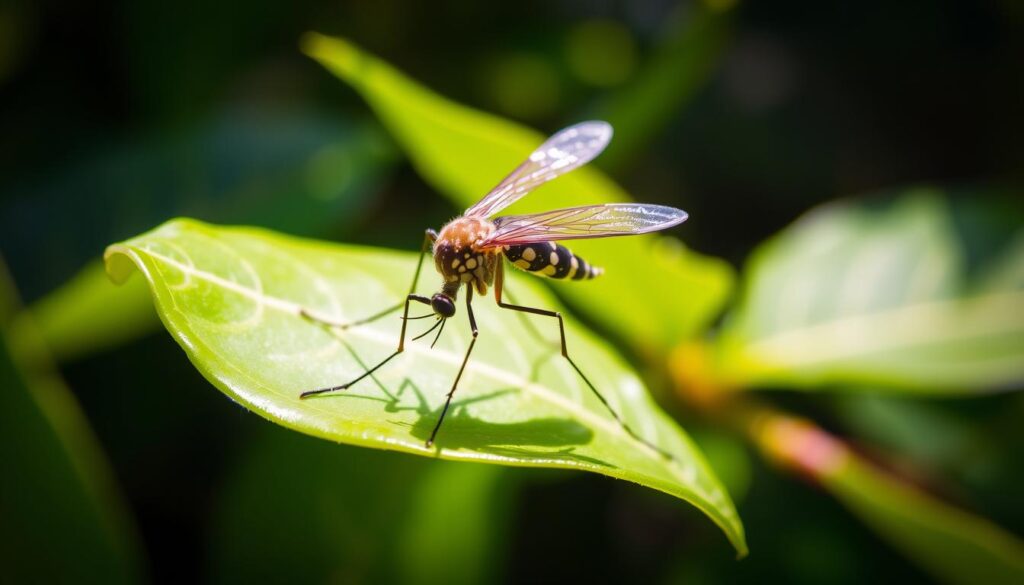
We need good vector control programs. They help control disease and are important for city planning. Using Wolbachia-infected mosquitoes has shown to reduce dengue in Brazil.
The table below shows how dengue cases and urban temperatures have gone up. It highlights the need for strong disease control and urban planning:
| Year | Dengue Cases in the Americas | Mean Urban Temperature |
|---|---|---|
| 2019 | 3 million | 82°F (27.7°C) |
| 2020 | 5 million | 83°F (28.3°C) |
| 2023 | 12 million | 84°F (29°C) |
These numbers show how important it is to manage urban ecology. By using public health strategies and controlling vectors, we can fight diseases like dengue in our cities.
Identifying High-Risk Areas in the US
Dengue fever is a growing worry in the United States. Public health planning is key to stop it. Experts use disease mapping to find high-risk areas and target their efforts.
Dengue is not everywhere in the US. It’s more common in places where the weather is right for Aedes mosquitoes. Knowing this helps focus efforts to stop outbreaks.
Mapping Vulnerable Regions
The southeastern US is getting warmer and more humid. This makes it more likely for dengue outbreaks. Places like Florida and Texas are at high risk because of their climate.
Health officials use technology to see how climate affects dengue. They can then plan better to prevent outbreaks in these areas.
Factors Contributing to Risk Levels
Many things make a region more likely to get dengue. Weather is a big factor. Places with extreme weather, like heatwaves or hurricanes, are more at risk.
How ready a place is for health issues also matters. Places with good health resources can handle outbreaks better than those without.
Socio-economic factors are also important. Poorer areas often face more challenges in health care and infrastructure. Knowing this helps tailor help to each community’s needs.
In short, finding high-risk areas and understanding what makes them vulnerable is key. It helps protect people and get ready for dengue in the US.
Community Awareness and Engagement
In the fight against dengue fever, boosting community awareness and starting strong public education campaigns are crucial. These steps are key to stopping disease prevention and getting communities ready for health threats. This makes them strong against outbreaks caused by bad weather.
Importance of Public Education
Public education is a big help in stopping diseases. By teaching people how to get rid of mosquito breeding spots and what dengue symptoms are, we can lower disease cases. Schools and community workshops can spread this knowledge to everyone, helping people of all ages and backgrounds.
How Communities Can Prepare
Being ready is important to lessen dengue’s effects. Communities need to work with health groups to watch and control mosquito numbers. Health departments can help by giving tools and advice for fighting mosquitoes, like managing waste and using repellents.
Health preparedness also means setting up quick teams to deal with outbreaks fast. Having ways to report suspected cases, like hotlines or apps, helps respond quickly to health dangers.
| Activity | Objective | Expected Outcome |
|---|---|---|
| Educational Workshops | Enhance disease knowledge | Increased community capacity to prevent dengue |
| Waste Management Programs | Reduce mosquito breeding sites | Lowered mosquito population |
| Installation of Mosquito Nets | Protect homes | Decreased incidence of mosquito-borne diseases |
| Development of Response Teams | Manage outbreaks | Quick and efficient disease containment |
Effective Prevention Measures
Prevention is key in fighting dengue. It involves personal actions, community efforts, and government support. Each part is vital in keeping communities safe from dengue.
Personal Protection Strategies
People can prevent dengue by avoiding mosquito bites. Use repellents with DEET, picaridin, or oil of lemon eucalyptus. Wear long clothes, especially at dawn and dusk.
Install window screens and use mosquito nets in areas with many mosquitoes. These steps help lower the risk of getting dengue.
Community-Level Initiatives
Community efforts are crucial in fighting dengue. Clean up drives remove water where mosquitoes breed. This stops them from multiplying.
Education on keeping areas clean helps everyone fight dengue. Using natural ways to control mosquitoes is also important. It keeps communities healthy.
Role of Local Governments
Local governments are key in the fight against dengue. They fund and enforce policies to prevent the disease. They also improve public health systems.
They set up systems to track and handle dengue outbreaks. They make sure communities have what they need to fight mosquitoes. Laws that require proper waste and water management help too.
Together, personal actions, community efforts, and government support can reduce dengue. This approach keeps public health safe as the climate changes.
 Keep Your Blood Sugar Levels Stable
The Importance of Ongoing Research
Dengue fever’s growing impact, fueled by climate change, shows why ongoing research is key. It’s vital to study the effects of environmental changes on dengue. This is especially true now.
Current Studies on Dengue and Climate Change
New climate impact research shows how warmer temperatures help disease-carrying mosquitoes spread. These findings help create new ways to fight disease control innovations.

Researchers keep an eye on environmental changes to better fight dengue outbreaks. This focus is crucial for dealing with climate change’s health effects.
Innovations in Prevention and Control
New tech in fighting mosquitoes and tracking outbreaks has changed how we prevent dengue. For example, there are genetically modified mosquitoes and AI tools for spotting outbreaks. These are key parts of today’s dengue prevention plans, thanks to ongoing research.
Thanks to dengue studies and climate impact research, we’re making big steps in disease control innovations. This work helps us manage dengue now and prepares us for future health challenges.
What to Expect in the Future
As we face the challenges of climate change, it’s key to understand dengue predictions and future trends. This knowledge helps us prepare for the spread of this disease. It also guides us in making better health policy decisions to improve outbreak response.
Predictions for Dengue Cases in Coming Years
Studies show a link between warmer temperatures and more dengue fever. Warmer climates help Aedes mosquitoes breed, putting more areas at risk. Knowing these dengue predictions helps us get our healthcare systems ready for outbreaks.
Potential Policies to Combat Outbreaks
To fight the growing threat, new health policy plans are being considered. These plans aim to make communities stronger and better at handling dengue outbreaks.
| Year | Projected Dengue Cases | Policy Implementation Status |
|---|---|---|
| 2025 | Increased by 20% | In Planning |
| 2030 | Increased by 35% | Proposed |
| 2035 | Increased by 50% | Under Review |
The data shows we need to act fast with new health policy changes. It also stresses the need for global teamwork in outbreak response. We must adapt to dengue’s changing nature due to environmental shifts.
Conclusion: Taking Action Against Dengue
Dengue fever cases are rising, and we need a strong response. It’s not just a health issue; it’s a call for everyone to get involved. By taking small steps every day, like getting rid of mosquito breeding sites, we can fight this disease.
How You Can Get Involved
Joining your community’s fight against dengue is key. You can help by organizing clean-ups, using mosquito repellents, and learning more about the disease. Remember, fighting dengue is an ongoing effort. By being proactive, you protect yourself and your community.
Encouraging Proactive Measures in Your Community
Local leaders are crucial in keeping communities healthy. They should support policies that help control mosquitoes and diseases. With climate change making diseases spread faster, we must adapt and innovate our strategies.
By working together, we can make a big difference in the fight against dengue. Let’s take action to protect our communities. It’s time for us to work together, today and in the future.


